
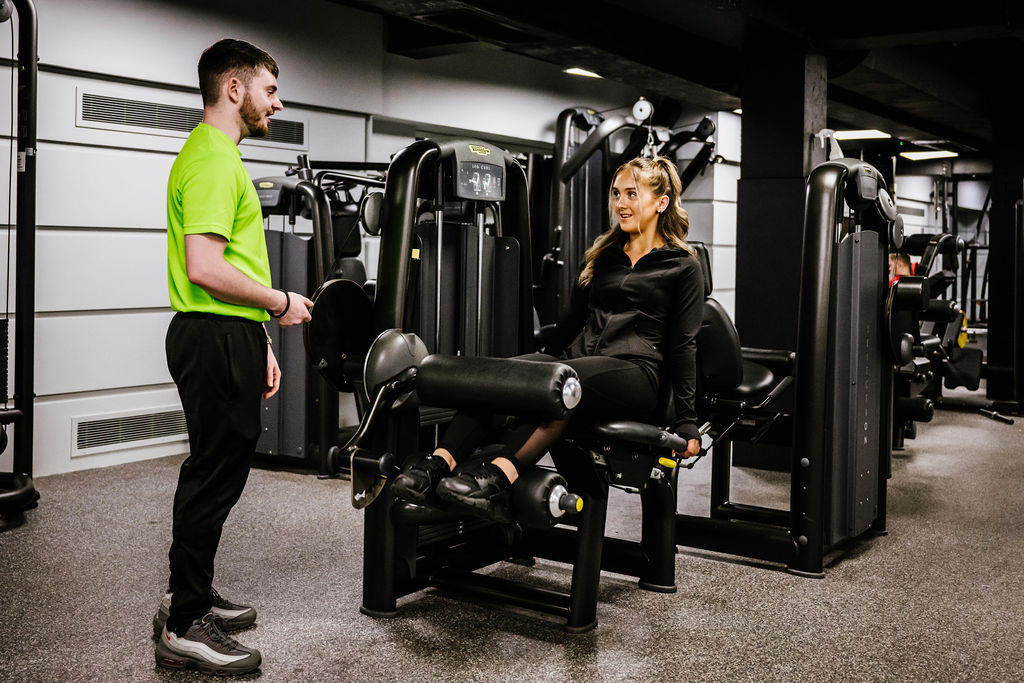
When you hire a personal trainer, you get a tailored training plan, one-to-one support, and the motivation to help you reach your fitness goals. To make this possible, your trainer will ask questions to understand your goals, preferred training style, and how sessions fit into your lifestyle.
To get the most from your training, the conversation shouldn’t be one-sided. Your personal trainer is a wealth of fitness knowledge, so ask questions, pick their brains, and get the answers you need to smash your goals.
Here, PT and Village Health & Wellness Club Manager, Lee Clayton, shares his expert insight on how to maximise your personal training experience and achieve the best possible results.
Quick Summary
-
Hiring a personal trainer gives you tailored workouts, one-to-one support, and motivation to help reach your fitness goals.
-
It’s designed for anyone wanting guidance and accountability, combining exercise, nutrition advice, and progress tracking in a structured programme.
-
Sessions focus on more than just the gym, with plans that evolve and adapt to your energy, lifestyle, and goals.
-
Progress is tracked through assessments, technology, and clear markers beyond just the scales.
-
Its focus on expert guidance, personalised plans, nutrition support, and injury prevention makes personal training an effective way to achieve lasting results.
Questions About Your PT
Your first consultation is the perfect time to find out more about your personal trainer and decide whether they’re the right fit for you. Ask them...
What qualifications do you have?
A great personal trainer will be only too happy to showcase their professional qualifications and badges of honour. Be wary of the trainer who keeps theirs in the dark!
What experience do you have?
Not all personal trainers do the same job. You’ll want to know that your PT has proven experience in smashing the goals YOU have in mind.
Do you have any examples of client success stories?
Taking a look at the progress others have made is a great way to motivate yourself at the beginning of your fitness journey. Although it’s important to remember that everyone is different and no two journeys are the same.
What is your style of personal training?
There are many different approaches to personal training, so make sure you’re setting off on the right path with an approach that’s right for you.
How do you stay up-to-date with the latest fitness trends and research?
A good PT should continually update their knowledge to ensure your training is based on current science and techniques.
Do you specialise in working with clients who have my specific goals or conditions?
This helps you know if your trainer has experience with people like you - whether it’s weight loss, strength, endurance, or recovering from injury.
Find out more about choosing the right personal trainer.
Questions About Your Personal Training Plan
Before committing to sessions, it’s important to find out what your personal training plan is likely to look like so you know what you’re signing up for.
If you’re not going to enjoy it or be able to fit it into your lifestyle, then the chances are it won’t work for you. Setting this out from the outset will give you more chance of success!
What happens in the first personal training session?
To get the most out of your first session, it’s important to turn up prepared. You can find out more about what to expect and how to prepare for your first session in our blog.
How many days per week do I need to work out?
Depending on how many sessions per week you’re planning to have, your PT will devise an additional training plan to keep you on track when you’re hitting the gym alone. The number of days will depend on your lifestyle, goals and the length of each session.
How will my training plan evolve over time?
Understanding how your workouts will progress ensures you’ll continue to be challenged and avoid plateaus.
How do you adapt sessions if I’m having a bad day or feel fatigued?
A flexible PT will adjust your workout safely to suit your energy levels and recovery needs.
How do you incorporate fun into sessions?
If you have a competitive streak or enjoy a particular style of training be sure to let your PT know. The more you enjoy your sessions the more likely you are to succeed.
What classes would you recommend in addition to personal training sessions?
If you don’t feel confident on the gym floor without the guidance of your PT, classes are a great way to keep active in between sessions. They’ll be able to let you know which of our classes are most suited to the training plan they’ve devised.
Questions About Tracking Your Fitness Progress
One of the main benefits of hiring a personal trainer is their ability to properly measure your progress to ensure you’re heading in the right direction. But this doesn’t just mean tracking the number on the scales. Find out how else they’ll be keeping you on track...
How will you track my progress?
A good personal trainer has all the tools in their fit kit to accurately track your success. A PT that doesn’t make notes or record your fitness levels won’t be able to effectively show you how far you’ve come. Ask your Village PT about our MyZone tracking belts for a motivational boost!
How will I know I’m making progress?
Progress isn’t just about the number on the scales. Your PT will be able to signpost the many ways in which your health and fitness is improving, to keep you motivated to keep on going.
How often will we reassess my fitness levels?
Regular assessments help keep your programme on track and allow adjustments if your goals or abilities change.
Do you use technology or apps to support tracking and accountability?
Many trainers use apps or wearable tech to monitor progress between sessions, which can be a motivational tool.
What happens if I’m not seeing the progress I’d expected?
If progress is slow to show, you need to be honest with yourself and with your PT. Are you giving it your all? Are you sticking to a healthy eating plan? If the answer to both of these questions is yes, then it might be time to re-evaluate your expectations or mix up your training plan.
Questions About Nutrition
Sweating it out in the gym without considering your diet is likely to hold you back from achieving your goals.
Not all personal trainers hold qualifications in nutrition, so if you’re looking for support with your diet as well as your fitness, it’s a good idea to check during your first consultation whether they can offer this.
Most trainers will be happy to give you general advice on healthy eating, so here are some questions you might want to ask…
What should I eat before a workout?
Depending on the type of training and the time of your session, your PT will be able to recommend the best pre-gym snack or light meal to ensure you have enough fuel in your tank to smash your workout.
What should I eat after a workout?
Being mindful of what you eat after your workout can help you recover more quickly, build muscle, and ensure you’re in tip-top condition for the next time you hit the gym.
Here are some ideas on what to eat after a workout…
What supplements do you recommend?
Depending on your goals and workout programme, supplements can be used to enhance your training. They’re not always necessary or beneficial, so it’s worth checking with your PT before introducing them, or if you take other medications, always check with your doctor.
What protein drinks or snacks are good for after a workout?
Be careful about overdoing the packaged post-workout snacks, many of which have added sugars and sweeteners. Your PT will be able to point you in the right direction and let you know which ones to avoid.
Can you help me create a meal plan tailored to my goals?
Even if they aren’t a certified nutritionist, a good PT can guide healthy eating strategies to complement your workouts.
Questions About Aches, Pains and Injury
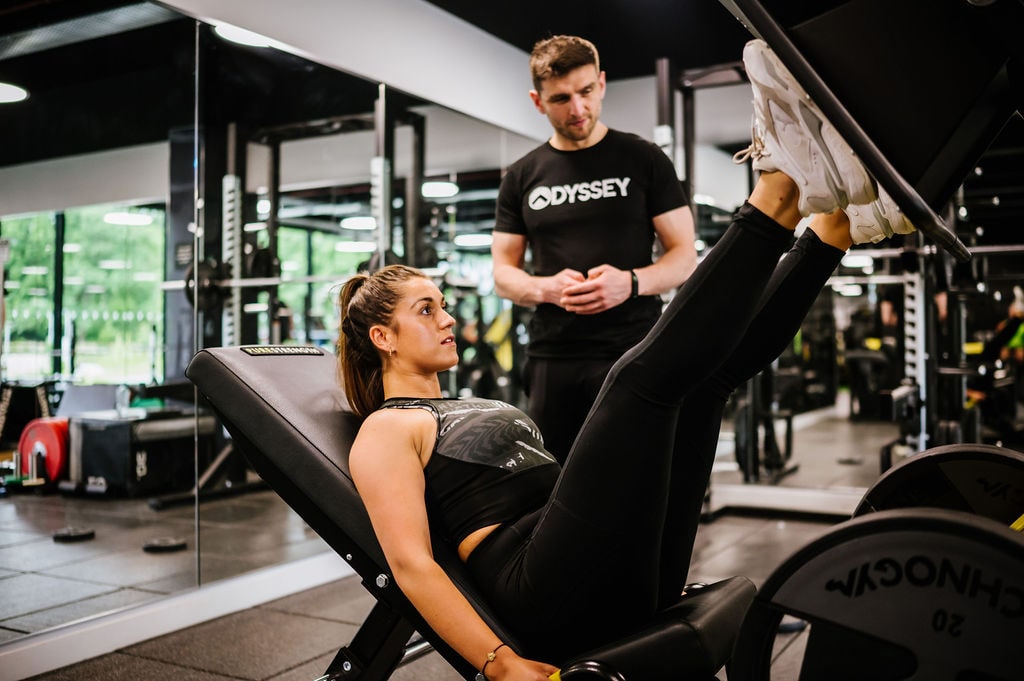
If you suffer from a bad back or are recovering from a previous injury, your personal trainer can offer guidance on reducing pain and avoiding further injury from your training.
What exercises should I avoid?
With knowledge of your injury, your PT won’t include any exercises that have the potential to do more damage in your training programme.
How do you incorporate recovery and rest into my training plan?
Proper recovery is essential for avoiding injuries and making progress, so ask how they build rest days, stretching, or mobility work into your programme.
What exercises will help to reduce pain?
Alongside your sessions, your PT may recommend additional stretch sessions to help with back pain. Pilates and yoga classes are great ways to improve flexibility and align your spine, taking pressure off the back and helping to relieve pain.
Find out more about how Pilates and yoga relieve back pain.
Of course, it’s important to remember that as knowledgeable as they are, your personal trainer isn’t a medical expert so some questions relating to diet and injury will be better directed to your GP.
Think of your sessions not just as a workout, but an opportunity to grill an expert and build upon your fitness knowledge!
Get Started with a PT
At Village Health & Wellness Clubs, we know starting a fitness journey can feel overwhelming. Our personal trainers are here to guide you every step of the way - helping you create customised workouts, build confidence, and develop a plan that fits your goals and lifestyle.