
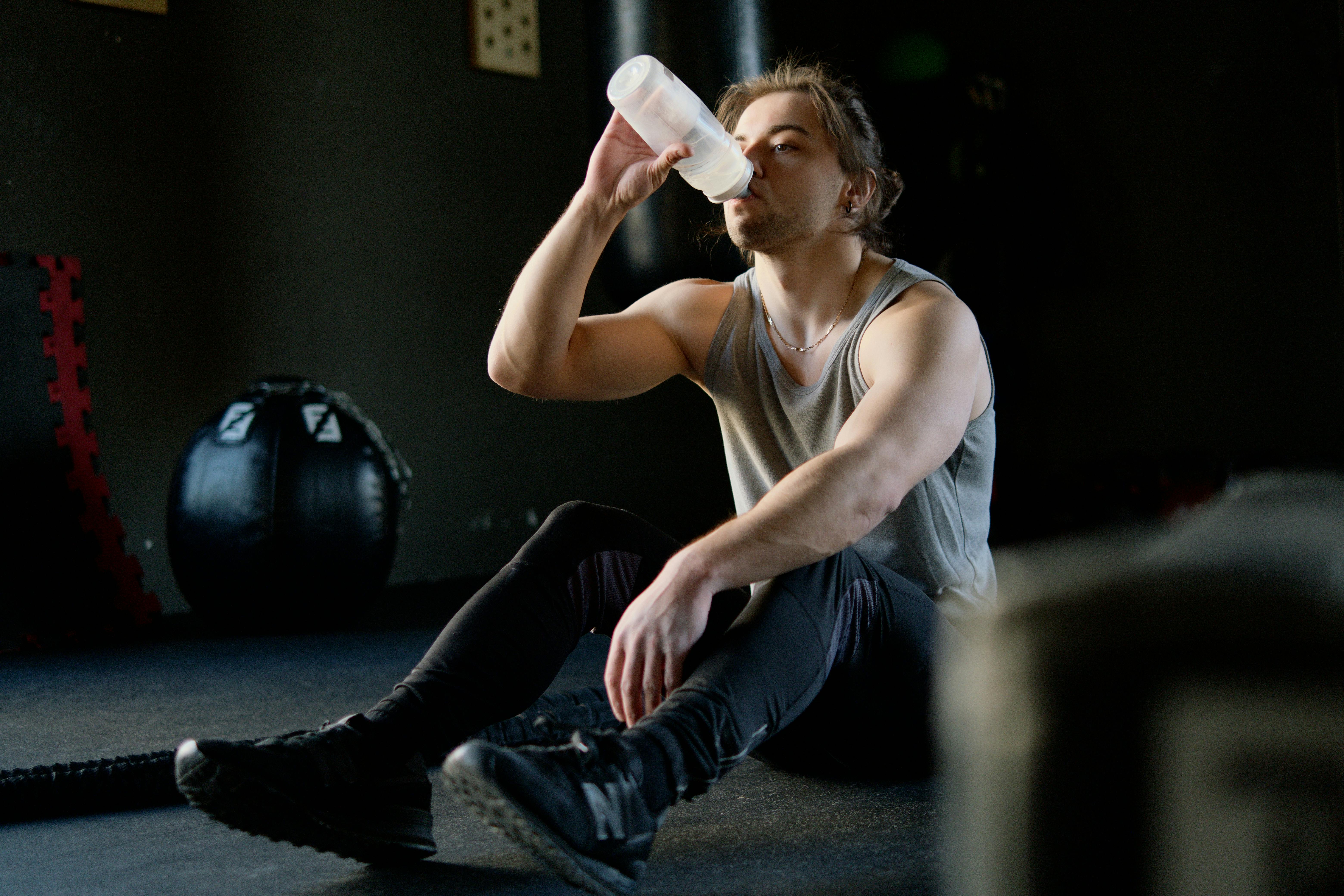
Recovery after the gym is important, no matter what you do. If you’ve pushed yourself to the limit and every muscle aches, your recovery routine should be similar to how you would handle DOMS (delayed onset muscle soreness). DOMS usually appears a day or two after a big workout - often after an intense leg-day session.
In both cases, knowing how to recover effectively is a crucial step in helping you progress toward your gym and fitness goals. Better recovery leads to better growth, improved performance, and a lower risk of injury.
In this article, Lee Clayton, Village Club Manager and former professional boxer, answers everything you need to know about recovery following intensive gym sessions.
Gym Recovery: At a Glance
-
Stay active to reduce DOMS; light cardio and gentle movement improve blood flow and ease stiffness.
-
Rehydrate properly after training; aim for 500ml - 1 litre of water, adding electrolytes after sweaty sessions.
-
Eat protein and carbohydrates post-workout to support muscle repair and replenish energy stores.
-
Prioritise rest and sleep; 7-9 hours per night is essential for muscle recovery and growth.
-
Supplements can help but aren’t essential; protein powder, creatine, and electrolytes are the most useful.
-
Avoid overtraining by varying intensity, listening to your body, and including low-intensity recovery days.
How to Recover After the Gym?
To recover after DOMS, my top tip is to keep moving. If it’s leg DOMS, don’t stay in bed or watch Netflix on the sofa all day - get walking, swimming, or cycling.
Choose light cardio that keeps the muscles moving, but don’t overdo it - no mountain climbing or triathlons.
For ultimate gym recovery, these are the top things you need to focus on:
-
Hydration: Especially after sweaty sessions, rehydration is key. If you think you’ve had enough water because you drank some with your pre-workout or protein shake, it’s probably not enough. Aim for half a litre to one litre of water within the first hour after your workout. If it’s been particularly hot or you’ve sweated a lot, consider adding electrolytes, which contain sodium and help your body absorb and retain water.
-
Nutrition: Make sure your next meal contains protein to help repair your muscles and carbohydrates to refill your muscles’ glycogen stores, ready for your next workout.
-
Movement: Ease or prevent DOMS with light cardio or stretching. This will make your muscles feel less stiff and improve blood flow, helping them feel ready for their next workout sooner.
-
Rest: Take time to relax after your workout - grab a coffee, read a book, or try some meditation - whatever helps you unwind. Most importantly, get a good night’s sleep. Your body repairs itself while you sleep, so this should be your top priority for recovery.
What Are the Best Post-Exercise Supplements?
Supplements aren’t always needed, but if you’re trying to hit protein goals or have had a particularly intense and sweaty workout, these are the ones I’d recommend considering:
-
Protein: Plant-based or whey protein powders are a quick and convenient way to hit your protein goals.
-
Creatine monohydrate: Your muscles use ATP (adenosine triphosphate) to function, but natural reserves are limited, meaning even moderate intensity can quickly deplete ATP stores. Creatine helps replenish these stores efficiently.
-
Electrolytes: As mentioned above, sodium in electrolytes plays a key role in hydration by helping your body retain water. Without enough sodium, you can drink plenty of water and still feel dehydrated.
What is the Best Post-Workout Drink?
The best post-workout drinks hydrate you, support muscle recovery, and replenish energy stores.
Some great options include:
Protein shakes: Add a scoop of plant-based or whey protein to milk or water (or coconut water for added potassium and magnesium) for a quick protein boost to kick-start muscle repair.
For extra energy, include carbohydrates such as fruit or oats. A favourite option is vanilla protein powder with soy milk, blended with frozen berries, a tablespoon of oats, and a banana - it feels like a nutritious, filling treat and supports recovery.
Sports drinks: If you’re looking for a pre-made option that provides electrolytes, hydration, and carbohydrates, try something like Lucozade Sport.
If you don’t have time to make a protein shake, alternatives such as Huel, which is high in protein and packed with vitamins and minerals, or Science in Sport (SiS) REGO Rapid Recovery are also good choices.
Does Sleep Affect Muscle Growth and Recovery?
Sleep is crucial for muscle growth, as it’s during this time that our muscles repair and grow. This happens because sleep helps regulate testosterone and is when our growth hormone peaks. I recommend aiming for 7–9 hours each night if possible.
Should I Still Workout if My Muscles Are Sore?
If it’s just DOMS and you’re feeling achy, some light movement can help stimulate blood flow and reduce muscle stiffness more quickly. If you think you’ve injured a muscle or are in pain, take some time to recover before your next workout.
How Do I Tell If I'm Overtraining?
You might be overtraining if you experience persistent fatigue, decreased performance, prolonged muscle soreness, irritability, trouble sleeping, or frequent illness.
If you notice just a few of these signs for a week or more, you could be overtraining - in which case, take some time off to rest.
Even better, take advantage of the health checks available, and we’ll help you determine the best training types and levels for you.
Signs of overtraining include:
-
Constantly feeling tired and worn out
-
Not improving or progressing, or even seeing your performance decline
-
A high heart rate when you’re resting
-
Feeling generally run down, constantly having a cold
-
Frequent injuries and long lasting muscle soreness
If the gym is a big part of your daily or weekly routine and you’re worried that taking time off will affect it, try going for a gentle swim, spending some relaxing time in the sauna, or just catching up with friends at Starbucks.
Can I Workout 7 Days a Week?
Yes, you can work out 7 days a week - but try to mix it up. Don’t lift heavy every day, and avoid training the same muscle groups daily. That’s why having ‘leg days’ and ‘arm days’ is so effective.
If you’re working out 7 days a week, make sure at least one day is low-intensity, like a gentle swim, a relaxed yoga session, or a walk outside.
For more guidance, check out our articles on how often to hit the gym based on your fitness goals and how to overcome post-workout fatigue.
Train Smarter, Recover Better
If you’d like help planning the optimal workout routine for you, speak with an expert.
Our personal trainers can create a schedule tailored to your fitness goals - whether it’s weight loss, strength building, or overall health - while guiding you safely through recovery days.
Sign up today to receive expert guidance, personalised training plans, and a supportive environment that helps you stay consistent, train smarter, and achieve your fitness goals without risking burnout or injury.