
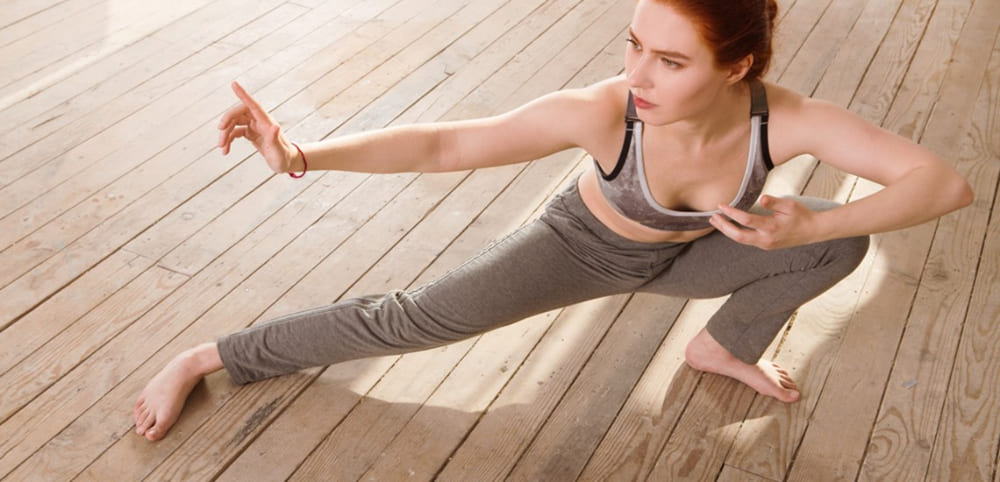
Well-known for its slow, controlled movements, Tai Chi often leaves people wondering about its true impact on both body and mind. Is it really effective for wellbeing? Who is it suitable for? And how can something so gentle make a meaningful difference?
In this guide, Personal Trainer & Leisure Club Manager, Lee Clayton, breaks down the most common questions and misconceptions surrounding Tai Chi - from how it supports physical health, mental calm, and everyday balance, to why it’s one of the most accessible wellbeing practices.
Quick Summary
-
Practice Tai Chi regularly; 2-5 sessions per week builds strength, balance, and mental calm.
-
Focus on slow, controlled movements; they improve joint mobility, coordination, posture, and circulation without joint strain.
-
Introduce Tai Chi for mental well-being: mindful breathing and deliberate movements reduce stress and anxiety while promoting emotional resilience.
-
Combine with a healthy lifestyle; Tai Chi can support belly fat reduction, cardiovascular health, and cholesterol management when paired with nutrition and activity.
-
Start at any age; Tai Chi is gentle and adaptable, making it suitable for children, adults, and seniors.
What Are the Benefits of Tai Chi?
Tai Chi gently works the whole body, supporting both physical health and overall wellbeing. Although the movements are slow and controlled, they create meaningful changes over time.
Physical health benefits:
-
Improved balance and stability
-
Increased strength in the legs and core without joint strain
-
Greater joint mobility and flexibility
-
Better posture and coordination
-
Improved circulation and breathing
Mental health benefits:
-
Reduced stress and nervous system tension
-
Improved focus and mental clarity
-
A calmer, more relaxed state of mind
-
Better emotional balance and resilience
-
Support for improved sleep and overall mental wellbeing
By regularly attending our Tai Chi classes, you'll tone and sculpt a leaner body shape. You should notice that your upper and lower body feels stronger, and you stand taller, thanks to an improvement in your posture.
What Are the Different Styles of Tai Chi?
There are five different styles of Tai Chi, and we use all of them in our classes. The great thing about these styles is that they can all be modified to suit your own fitness abilities.
All styles of Tai Chi emphasise continuous movement from one position to the next. The key is to move gracefully - almost as if floating from one pose to another.
- Yang style Tai Chi: Focused on slow, elegant movements and relaxing the mind through breathing techniques. Yang style Tai Chi is a great class for beginners, as you'll get to grips with the basic movements and ease yourself in.
- Wu style Tai Chi: Is all about tiny micro-movements. Moving slowly, each move you make will be very small, working key muscles one at a time.
- Wu style Tai Chi: A great way to get a strong core and improve your balance.
- Chen style Tai Chi: A combination of slow moves with faster poses thrown in, such as punching, kicking and squats.
- Sun style Tai Chi: Very similar to Chen style, though it's way less challenging, so it's perfect for beginners.
- Hao style Tai Chi: Focuses more on posture, positioning the body and strength.
Is Tai Chi Difficult?
Your first Tai Chi class may be a bit of a head scratcher. Though once you get used to moving your body in certain ways, it's really not difficult at all.
As a Tai Chi beginner, you'll find some movements easier than others, though you'll quickly pick them up once you become a regular.
If you find any of the Tai Chi transitions a little too difficult, just ask your instructor for a little guidance.
Does Tai Chi Reduce Belly Fat?
Yes, Tai Chi can support belly fat reduction indirectly. While it isn’t a high-intensity calorie-burning workout, regular practice helps lower stress levels and cortisol, improve movement consistency, and support overall metabolic health.
Over time, this can contribute to reduced abdominal fat - especially when combined with healthy nutrition and an active lifestyle.
Is Tai Chi Better Than Yoga?
Tai Chi isn’t inherently better than yoga - they offer different benefits. Tai Chi focuses on slow, flowing movements, balance, and mind-body coordination, while yoga emphasises flexibility, strength, and breath-centred poses.
Why Choose Yoga?
-
Increases flexibility and range of motion: Yoga’s stretches and poses help lengthen muscles and improve joint mobility over time.
-
Builds muscle strength and endurance: Holding postures and flowing through sequences strengthens the body safely and effectively.
-
Improves posture and core stability: Yoga encourages alignment and core engagement, helping you stand, sit, and move with better posture.
-
Enhances breath control and mindfulness: Breath-focused exercises calm the mind and improve focus.
-
Reduces stress and promotes relaxation: Regular practice lowers tension and encourages a sense of mental calm.
Why Choose Tai Chi?
-
Improves balance and coordination: Slow, flowing movements train stabilising muscles and help prevent falls.
-
Strengthens muscles gently without joint strain: Controlled transitions and stances build functional strength safely.
-
Increases joint mobility and overall circulation: Continuous movement helps lubricate joints and promote healthy blood flow.
-
Enhances body awareness and mindful movement: Tai Chi cultivates a deep sense of how your body moves and aligns.
-
Supports mental calm and stress reduction: The meditative nature of Tai Chi eases tension and encourages relaxation.
How Many Times a Week Should You Do Tai Chi?
For most people, practicing Tai Chi 3 to 5 times per week provides an optimal balance of learning, movement, and rest, helping to gradually build strength, improve balance, and promote mental calm.
-
For Beginners: Practicing 2 to 3 times per week is a great starting point. This frequency allows enough time to learn the movements correctly, focus on balance and alignment, and build confidence without feeling overwhelmed. Even 10–20 minute sessions can be highly effective when practiced consistently.
-
For Advanced Practitioners: More experienced individuals can practice 4 to 6 times per week, or even daily if desired. Longer sessions and repeated practice help refine technique, deepen the mind-body connection, and enhance overall strength, flexibility, and wellbeing.
What's the Best Age to Start Tai Chi?
The short answer is: any age. Tai Chi is gentle, low-impact, and highly adaptable, which means you can start as a child, an adult, or even later in life.
Personally, I’ve seen people in their 70s begin Tai Chi and quickly notice improvements in balance, strength, and mental clarity. Starting young can help develop coordination, focus, and body awareness early on, while starting later in life can support joint health, reduce stress, and improve overall mobility.
The key is to practice consistently and at a pace that feels comfortable for your body - there’s no “too early” or “too late” when it comes to Tai Chi.
Does Tai Chi Help Anxiety?
Yes, Tai Chi can help reduce anxiety. Its slow, deliberate movements combined with mindful breathing promote relaxation and calm the nervous system.
Regular practice encourages a greater sense of body awareness and mental focus, which can reduce anxious thoughts and improve emotional resilience. Over time, many people find that Tai Chi becomes a powerful tool for managing stress and cultivating a calmer, more centred state of mind.
Is Tai Chi Good for Seniors?
Yes, Tai Chi is excellent for seniors. Its slow, gentle movements make it low-impact and easy on the joints, while still improving balance, flexibility, and overall strength. I’ve seen older adults start Tai Chi and quickly notice increased stability, reduced stiffness, and a greater sense of confidence in daily movement.
Beyond the physical benefits, Tai Chi also supports mental wellbeing by reducing stress, improving focus, and promoting relaxation. It’s an adaptable practice, so seniors of almost any fitness level can start safely and gradually build their skills over time.
Does Tai Chi Lower Cholesterol?
Tai Chi may help lower cholesterol, though it’s not a substitute for medical treatment. Regular practice supports cardiovascular health by improving circulation, reducing stress, and encouraging a more active lifestyle - all of which can contribute to healthier cholesterol levels.
Research shows that regular Tai Chi practice can improve blood lipid profiles, including reductions in total cholesterol, triglycerides, and LDL cholesterol. A systematic review and meta-analysis found similar results, particularly for adults with hypertension or cardiometabolic risk factors.
These findings suggest Tai Chi can be a gentle, accessible way to support heart and metabolic health when combined with a balanced diet and other lifestyle measures.
Tips for Tai Chi Beginners
- Watch your fellow members and if you struggle with a particular movement, simply follow their lead.
- Try to stand in a spot that allows you to see the instructor clearly, and members on both sides. This way, if you get stuck, you can follow their movements no matter which way you're facing.
One of our members who enjoys Tai Chi in Edinburgh suggests;
"Don't focus on getting it perfect in your first class. Some of the Tai Chi movements will have you moving your body in directions it doesn't want to go! Just get used to letting it move, and getting comfortable."
Get Started on Your Tai Chi Journey
Our Tai Chi classes offer a low‑impact, relaxing workout that combines deep breathing with slow, graceful movements to tone muscles, improve balance, increase flexibility, and clear the mind.
Sign up today to start your journey toward greater strength, balance, and wellbeing.