
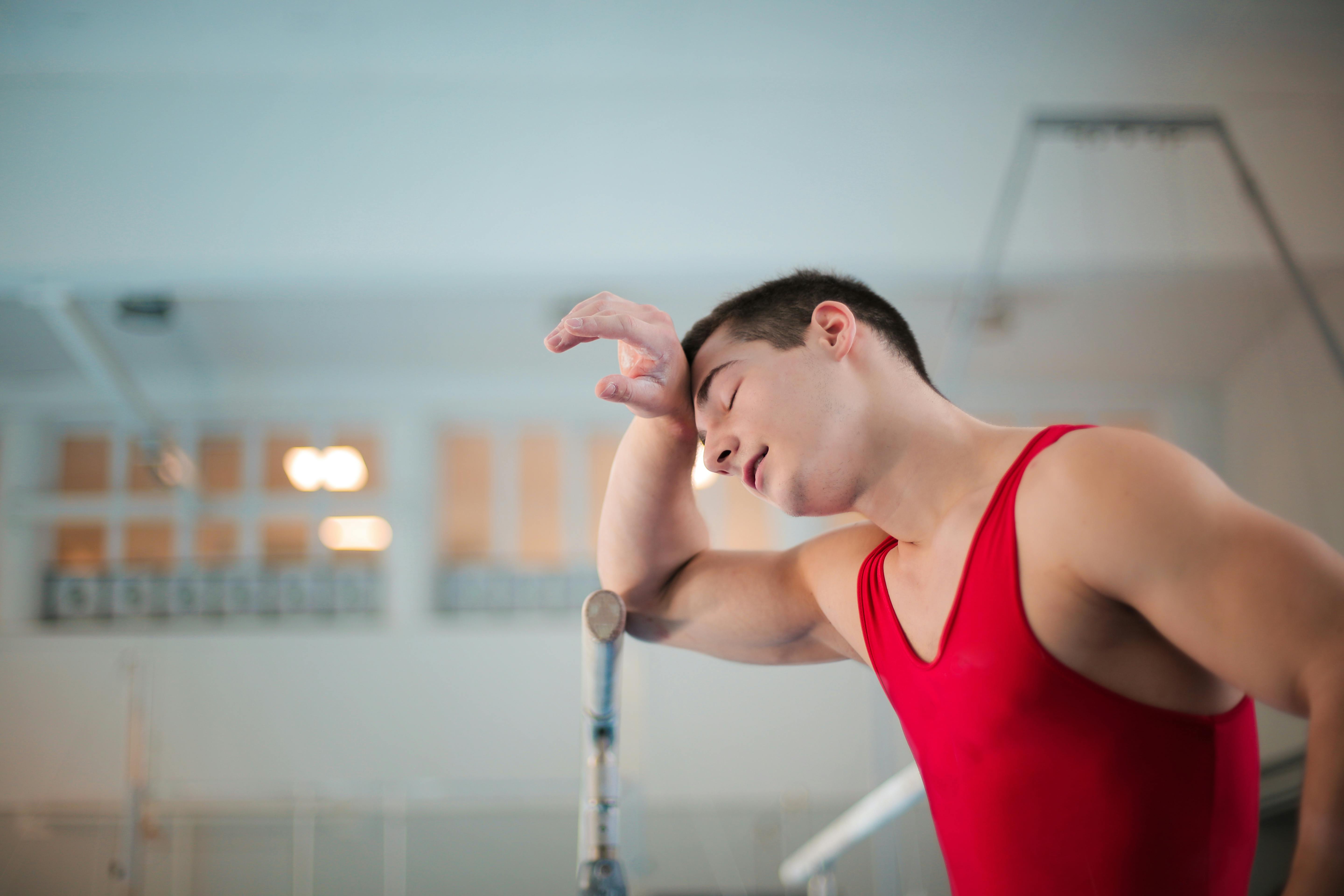
Getting back into exercise after a long time away can feel like stepping into a completely different world. One day, you’re motivated and ready to move; the next, a few skipped workouts turn into weeks off, and even the thought of a short sweat session can feel overwhelming.
Many of us have wondered: what happens when you start exercising after a long time? How will your body react - will it be painful, exhausting, or surprisingly manageable? Understanding these changes can help you ease back into fitness without frustration or injury.
In this guide, we’ll break down the physical and mental shifts your body experiences when you return to exercise, along with practical tips to make your comeback smoother, safer, and more rewarding.
Exercising After a Long Break: At a Glance
-
Stopping exercise causes fitness, strength, and metabolism to decline over time.
-
Short breaks (1–3 weeks) reduce endurance, cardiovascular efficiency, and mood.
-
Long-term inactivity (3+ months) raises risk of chronic disease and weakens bones and joints.
-
Returning to exercise may cause short-term muscle soreness and temporary weakness (DOMS).
-
Gradually rebuild strength and stamina with low-impact, consistent workouts.
-
Listen to your body and progress slowly to avoid injury or burnout.
What Happens When You Stop Working Out?
When you stop working out, your body begins to lose many of the benefits you gained from regular exercise.
Over time, you may notice reduced muscle strength, declining cardiovascular fitness, and a slower metabolism. This can lead to increases in body fat, lower energy levels, and mood changes such as heightened stress or mental fatigue.
Some effects appear within a few weeks - like reduced endurance and less stable blood sugar - while more significant changes, such as substantial muscle loss and increased disease risk, develop over months of inactivity.
Short-Term Effects of Stopping Exercise (Within 1–3 Weeks)
Your Fitness Levels Begin to Drop
When you stop exercising, the cardiovascular changes your body developed gradually reverse.
Research shows that cardiorespiratory fitness (how efficiently your heart and lungs supply oxygen) declines relatively quickly once you stop training - sometimes within just two weeks of inactivity.
This means your VO₂ max - a key measure of aerobic fitness - decreases, and your heart becomes less efficient at pumping blood.
Over time, even everyday activities like brisk walking or climbing stairs can feel more tiring than before.
Your Mood and Mental Wellbeing Can Decline
Exercise isn’t just beneficial for your body - it’s good for your brain too. Physical activity stimulates the release of “feel‑good” hormones such as endorphins and supports healthy sleep patterns and stress regulation.
When you stop working out, these mental health benefits can diminish, potentially leading to lower mood, increased stress and poorer sleep quality - especially if you previously used exercise as a key tool for emotional wellbeing.
Medium-Term Effects of Stopping Exercise (1–3 Months)
Muscle Strength and Mass Start to Wane
Regular workouts - especially strength training - help maintain muscle size and strength. When you stop, muscles no longer receive the stimulus they need, and atrophy (muscle loss) begins.
Although short breaks don’t instantly erase gains, measurable declines in muscle strength and power often appear after a few weeks of inactivity.
Your muscles also become less effective at using energy, which contributes to reduced overall strength and endurance.
Body Composition May Shift
Exercise helps regulate your metabolism - how your body uses energy - and supports healthy body composition.
Studies indicate that without regular activity, your metabolic rate slows and your muscles burn fewer calories. If your calorie intake stays the same, this can gradually lead to weight gain and increased body fat, particularly around the abdomen.
Cardiovascular and Metabolic Health Risks Increase
Regular exercise plays a crucial role in maintaining heart and metabolic health by helping regulate blood pressure, cholesterol levels, and blood sugar control. When physical activity is reduced or stopped altogether, these protective benefits gradually decline.
Blood pressure may begin to rise, “good” HDL cholesterol can decrease while “bad” LDL cholesterol increases, and the body becomes less efficient at managing glucose.
Even short periods of inactivity can negatively affect cardiovascular fitness, making the heart work harder during everyday activities and increasing long-term health risks if exercise is not resumed.
Long-Term Effects of Stopping Exercise (3+ Months)
Greater Risk of Chronic Disease
Over several months of inactivity, the cumulative effects become more significant, including a higher risk of heart disease, increased likelihood of developing type 2 diabetes, reduced metabolic flexibility, and greater visceral fat (linked to disease risk).
Bone and Joint Health May Be Affected
Although changes in bone density happen more slowly than other effects, long‑term inactivity can weaken bones and joints. Government guidance emphasises that staying active helps reduce muscle loss and the risk of falls and injury, especially as we age.
Without that regular stimulus, bone strength decreases gradually, particularly in older adults who are already at higher risk of conditions like osteoporosis.
What Happens to Your Body When You Start Exercising After a Break?
When you start exercising after a break, your body begins to readapt quickly - your muscles regain strength, your cardiovascular system becomes more efficient, and your energy levels improve.
Even short bouts of activity can boost mood, increase metabolism, and restore many of the fitness benefits lost during inactivity.
Short-Term Effects (First Few Days to Weeks)
Muscle Stiffness and Soreness
When you get back into exercise after time away, the most immediate change you’ll notice is muscle stiffness and soreness. This is largely due to Delayed Onset Muscle Soreness (DOMS) - the ache that appears 24–72 hours after a workout.
Because your muscles are no longer conditioned, even light activity can cause microscopic muscle damage that leads to soreness.
You may also feel weakness or shakiness in your muscles during early workouts. This is normal and simply reflects your body reactivating after a period of reduced activity.
Cardiovascular Adjustments
In the short term, your cardiovascular system reacts quickly to the shock of exercise. Your heart rate rises faster, your breathing becomes heavier, and your stamina is lower than you remember. Activities like jogging, stair climbing, or even brisk walking may feel unexpectedly challenging.
Fortunately, cardiovascular fitness rebounds relatively quickly, and you’ll start noticing easier breathing and better endurance within a few weeks of consistent effort.
Medium-Term Effects (First 1-3 Months)
Weight and Body Composition Shifts
As you continue exercising, your body begins to change in more noticeable ways. You may see weight fluctuations, which can include small increases at first due to water retention from glycogen storage. This is temporary and doesn’t reflect fat gain.
More importantly, your body composition begins to shift. Strength training rebuilds muscle that may have been lost during inactivity, while aerobic exercise helps reduce body fat. You’ll likely see differences in how your clothes fit, improvements in muscle tone, and overall tighter body composition.
Improved Cardiovascular Efficiency
After a few weeks of consistent exercise, your heart becomes stronger and pumps blood more effectively. You’ll experience better stamina, more stable energy levels, and improved recovery between workouts. Everyday tasks - climbing stairs, walking longer distances, and carrying shopping bags - will feel easier.
Long-Term Effects (3 Months and Beyond)
Joint and Ligament Adaptation
Joint and connective tissue adapt gradually. With consistent strength and mobility training, your joints, ligaments, and tendons grow stronger, reducing injury risk and improving movement.
Start gradually, use proper warm-ups, and strengthen surrounding muscles to protect against strains and joint pain.
Benefits of Returning to Exercise
After several months, the benefits compound. You’ll likely experience:
-
Noticeable strength gains
-
Improved muscle definition
-
Better flexibility and mobility
-
Enhanced cardiovascular health
-
Increased energy and mood stability
These long-term adaptations build resilience and support lifelong health.
How to Safely Ease Back into Exercise
Returning to exercise after a break can feel daunting, but taking a gradual, structured approach makes the process safer and more enjoyable.
-
Start slow and gradual: Begin with low-impact activities like walking or gentle cycling to help your body adjust safely. Keep sessions short and manageable, focusing on steady movement rather than intensity. Gradually increase duration or resistance as your fitness improves.
-
Focus on consistency over intensity: Prioritise showing up regularly rather than pushing hard. Moderate, frequent workouts help your body adapt and rebuild fitness without overwhelming you. Consistency creates long-term habits, making exercise feel natural again.
-
Mix strength, cardio, and flexibility: A balanced routine supports safer progress. Strength training rebuilds muscle and joint stability, cardio boosts stamina and heart health, and flexibility work reduces stiffness and improves mobility. Combining all three prevents overloading any one system.
-
Listen to your body: Pay attention to how you feel during and after workouts. Mild soreness is normal, but sharp pain, dizziness, or extreme fatigue mean you should slow down or rest. Recovery is essential for progress, so take breaks when needed.
For further tips and guidance, be sure to check out our guide on how to get back into the gym after a long break.
Bounce Back Stronger
At Village Health & Wellness Clubs, we know recovery is just as important as training. Our personal trainers can help you modify workouts when you’re under the weather, design recovery-focused routines, and guide you safely back to your regular strength training schedule.
Sign up today and enjoy expert guidance, personalised training, and a fitness environment that helps you train smarter, recover better, and come back stronger.