
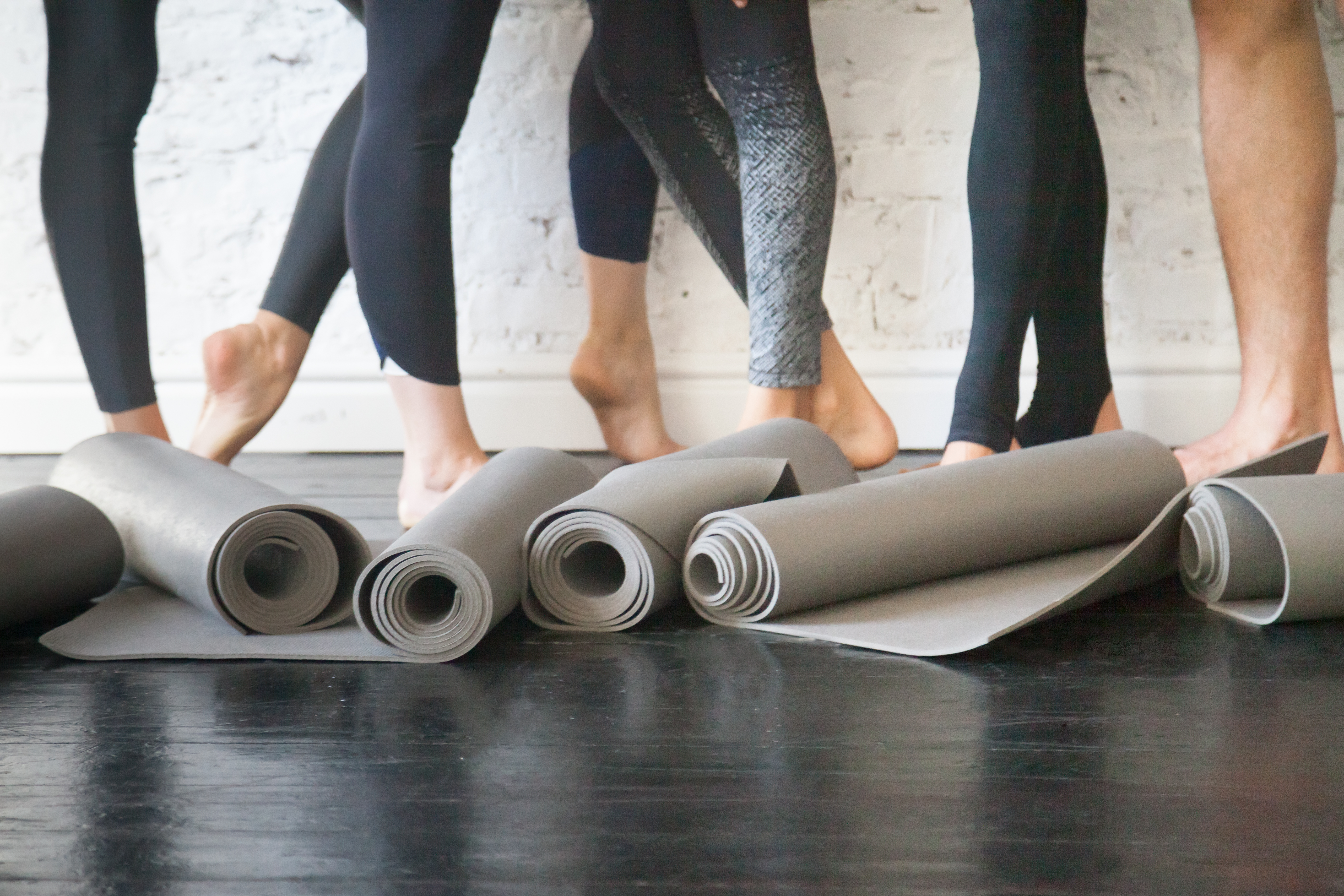
Starting Pilates can feel a bit intimidating, particularly if you’re unsure which movements matter most or how to structure a session. In those first few classes, it’s common for beginners to have more questions than answers.
In this article, Diana Wright, National Group Fitness Manager, breaks down everything you need to know about beginning Pilates, including which exercises are most effective for building strength and flexibility, and how to create a routine that challenges you without feeling overwhelming.
Pilates for Beginners: At a Glance
-
Low-impact, accessible exercise: Pilates uses controlled movements on a mat or equipment like the Reformer to build strength and flexibility while being gentle on the joints and suitable for most people.
-
Core strength is the foundation: Pilates primarily strengthens the deep core muscles that support the spine, improving posture, balance, stability, and everyday movement awareness.
-
Pilates supports fat loss indirectly: While Pilates can’t target belly fat specifically, better posture, stronger core muscles, and stress reduction can help create a more toned appearance and support overall fat loss habits.
-
Ideal for older adults and joint concerns: Pilates is especially beneficial for over 60s, improving mobility, balance, confidence, and strength, and can be easily adapted for stiff or achy areas.
-
Different styles for different goals: From Mat Pilates for beginners to Reformer, Clinical, and Contemporary styles, Pilates offers options for general fitness, strength training, rehabilitation, or structured classical practice.
What Kind of Exercise is Pilates?
Pilates is a low-impact form of exercise that focuses on making deliberate, controlled movements either on a mat using your own bodyweight, or on equipment like a Reformer which uses springs to add resistance.
It’s great for improving your core strength and posture and is gentle on the joints, so a great exercise for almost everyone.
What Does Pilates Actually Do for the Body?
When done properly, Pilates strengthens the core muscles that support your spine, helping to improve posture, balance and overall mobility.
You should also find that you become more aware of how you sit, stand and walk once you start using muscles you didn’t even know you had!
Can You Lose Belly Fat by Doing Pilates?
There isn’t a single exercise that loses belly fat, as fat loss occurs across your whole body, not just one area.
However, here’s how Pilates can support weight loss and help create the appearance of a flatter, more toned stomach:
-
Stronger core muscles will improve your posture, making you stand and sit straighter.
-
Pilates focuses on slow, controlled movements and breathing which make it a great exercise for stress-busting. Lower stress levels can mean less cravings for dopamine-heavy fatty and sugary foods, which can help with losing fat.
Is Pilates Good for Over 60s?
Absolutely. Pilates is fantastic for people over 60 because it’s a gentle and calming way to exercise.
Top benefits for over 60s include:
- Better balance
- Increased mobility and joint flexibility
- Greater overall strength
- Enhanced posture
- Improved core stability
- A boost in confidence with everyday movement
It’s also really easily adaptable if any specific body parts are feeling stiff or achy.
Does Pilates Help Lower Back Pain?
Pilates can help lower back pain because it strengthens the muscles around the spine, which in turn helps improve posture.
It also helps with better hip mobility, which in turn can help to release tightness in the lower back. In the long-term, you’ll also find that you’re more aware of your core muscles and will learn to engage them when carrying out activities like bending and lifting, making them easier and more comfortable.
If you have a lower back condition, always make sure to work with a Pilates instructor when trying out for the first time, to ensure you’re focusing on the safest and most appropriate exercises for you.
Does Pilates Help Osteoporosis?
It absolutely can do. All Pilates helps with improved stability and strength, but there are specific exercises that are particularly helpful for building bone strength. However, there are other exercises that will not help at all and some which should be avoided.
If you have osteoporosis and are considering Pilates, speak to an instructor to make sure your sessions are tailored to you.
Is Pilates Better Than Yoga?
It depends on what your goals are. If your focus is strength and getting quick results for improving your core, Pilates is absolutely better. If you’re looking for something that helps with flexibility and relaxation, yoga would be best.
If you’re looking for both, then try a combination of the two - they complement each other for great strength, mobility and mindfulness.
What Are the Types of Pilates?
There are 5 main types of Pilates:
-
Mat Pilates: Great for beginners and can be done pretty much anywhere using your body weight for resistance.
-
Reformer Pilates: Uses a spring-loaded machine for resistance and is a great alternative to traditional weight-based strength training.
-
Classical Pilates: Follows Joseph Pilates’ original structure and sequence.
-
Contemporary Pilates: A modern, research-based interpretation of Classical Pilates.
-
Clinical Pilates: Used by physiotherapists for rehabilitation.
If you’re ready to give Pilates a go, take a look at our Pilates classes timetable.