
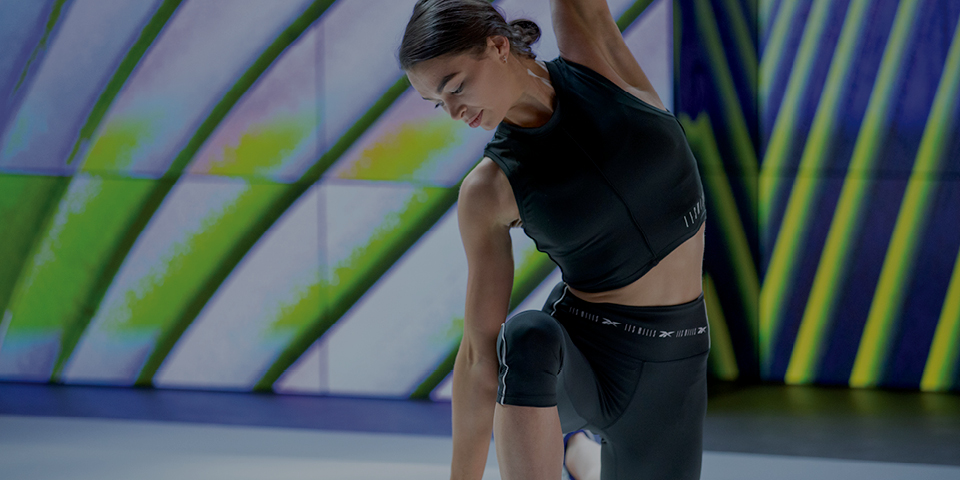
For beginners to the fitness world, static stretching is a fantastic, low-impact activity that you can use to warm up for a work out session, improve flexibility, and expand your range of mobility and motion. By adding static stretching to your routine, you can improve your body's flexibility and range of motion, leading to better physical performance and overall health.
No matter if you’re at the beginning of your fitness journey, or simply looking to build upon and improve your work out plan, this guide explores the dos and don’ts of static stretching with practical exercise examples.
Quick Summary
- Static stretching improves flexibility and range of motion, helping your body move more efficiently in both workouts and daily life.
- It reduces muscle tension and promotes relaxation, especially after long periods of sitting or intense exercise.
- Best used during cool-downs or recovery, while dynamic stretching is more effective before workouts.
- Consistency is crucial - regular stretching leads to long-term gains in mobility, comfort, and injury prevention.
- Stretching should never be painful; controlled, moderate stretching helps prevent injury, while overstretching can do the opposite.
What is Static Stretching?
Static stretching is a type of flexibility exercise where you hold a muscle or group of muscles in a stretched position for a period of time, typically between 15 and 60 seconds, without any movement. It is designed to lengthen muscles, reduce tension, and improve overall flexibility.
Static stretching is a useful tool in all kinds of fitness training because it involves a slow, controlled elongation of the muscles. This helps relieve tension that can build up from sitting or standing in the same position for long periods.
Unlike dynamic stretching, which involves continuous movement, static stretching focuses on holding a single position. The goal is to stretch the muscle to the point of slight discomfort - but never pain, as pushing too far can increase the risk of injury.
Static stretching is commonly used during warm-ups and cool-downs, although it can also be done as a standalone session. It’s especially ideal for beginners because it requires no special equipment and can be done almost anywhere.
Simple static stretches often target major muscle groups, including:
- Chest
- Shoulders
- Calves
- Quadriceps
- Hamstrings
- Wrist and ankle ligaments
With regular practice, static stretching can help improve flexibility and mobility over time. As your body adapts, you may find you can stretch further and more comfortably. Consistency is key to making steady progress.
What’s the Difference Between Static and Dynamic Stretching?
Static and dynamic stretching are both essential for maintaining flexibility and supporting overall fitness, but they are used in different ways.
Static stretching involves holding a muscle in a fixed position for a period of time, usually between 15 and 60 seconds. The aim is to stretch the muscle to the point of slight discomfort - never pain - as overstretching can increase the risk of injury. This type of stretching is best for improving flexibility, increasing range of motion, and aiding recovery after exercise by helping muscles relax and lengthen.
Dynamic stretching, in contrast, focuses on controlled, continuous movement. Instead of holding a position, you actively move your muscles and joints through their full range of motion. Common examples include leg swings, arm circles, and lunges. Dynamic stretching helps increase blood flow, raise body temperature, and prepare muscles for physical activity, making it ideal for warming up before exercise.
In simple terms, static stretching is most effective after a workout to support recovery, while dynamic stretching is best performed before exercise to enhance performance and reduce injury risk. Incorporating both into your routine ensures a balanced approach to flexibility, mobility, and overall physical performance.
Benefits Of Static Stretching
Static stretching offers a wide range of benefits for both everyday health and fitness performance. Whether you include it in your warm-up, cool-down, or daily routine, it can significantly improve how your body feels and functions.
Below are the key benefits of static stretching:
1. Improves Mobility and Flexibility
Static stretching helps to gradually lengthen muscles over time, increasing overall flexibility and range of motion.
- Enhances movement efficiency
- Helps muscles move more freely
- Makes everyday activities easier
- Can support improved athletic performance
As flexibility improves, your body becomes more capable of handling both exercise and daily physical demands.
2. Reduces Muscle Tension
Holding a stretch for an extended period encourages muscles to relax and release built-up tension.
- Promotes muscle relaxation
- Helps relieve tightness from sitting or training
- Restores muscle balance
- Ideal after intense workouts
Regular static stretching can leave your body feeling looser and more comfortable.
3. Helps Prevent Injury
Static stretching plays an important role in reducing the risk of injury by improving muscle elasticity and function.
- Increases range of motion
- Prepares muscles to handle strain
- Reduces likelihood of muscle pulls and tears
- Helps muscles absorb impact more effectively
Greater flexibility means your muscles are better equipped to cope with sudden movements or stress. For strategies to reduce soreness and stiffness, see our guide on How to Avoid Stiffness After Exercise.
Why Static Stretching Matters
Incorporating static stretching into your routine is essential for maintaining a healthy, functional body. It supports both performance and recovery, making it a valuable part of warming up and cooling down.
Consistency is key - regular stretching leads to long-term improvements in flexibility, comfort, and injury prevention.
Static Stretching Example Exercises
There are plenty of effective stretching exercises you can use to target all the muscles in your body. To get the best results, try mixing different techniques into your routine to boost your flexibility and mobility.
No matter if you're concentrating on your upper body, lower body, or core muscles, static stretches can be curated to meet the needs of your work out session and fitness goals. The following stretching exercises are not only good for the enhancement of your flexibility but also help to promote good posture, reduce muscle tension, and increase both muscle and mental relaxation.
By integrating a range of static stretches into your workout routine, you can also help prevent injuries while working out or going about day to day life.
Let’s take a look at some practical static stretching examples:
Hamstring Stretch
Target muscles: Hamstrings (back of the thigh)
This is a static stretch you’ll do when sitting down on the floor.
- Begin by sitting with one leg stretched out in front of you and the other leg tucked into a triangle shape (or a half sitting basket shape), with the sole of your tucked leg resting against the inner thigh of your straightened leg.
- Keep your back straight and slowly hinge forward at the hips while reaching for the toes of the extended leg with one or both your hands.
- Hold this stretch for around 15-30 seconds, ensuring you feel a gentle tug/stretch along your hamstring. Repeat the stretch on the other leg to avoid muscle imbalances and perform 2-3 stretches per leg to gain a full range of your stretching capabilities.
Thigh (Quadricep) Stretch
Target muscles: Quadriceps (front of the thigh)
- Start by standing with your feet a shoulder-width apart. Bend your leg at the knee joint and reach down with your hand to grab the instep/top of your foot (this can be done with either leg).
- Gently pull your lower leg/ankle towards your glutes and hold the stretch for between 15-30 seconds.
- Be sure to keep your back straight and core engaged during this stretch to prevent injury. Repeat the stretch on the other leg and repeat for both legs 2-3 times.
Calf (Lower Leg) Stretch
Target muscles: Calves (lower leg)
- Begin by standing with your hands against a wall for support.
- Step one foot back so that you're on the ball of that foot and gently press your heel towards the ground, keeping both legs straight and having a slight bend in your front knee for support. From this you should begin to feel your calf stretching. Lean forward towards the wall to intensify the stretch until you feel discomfort (but not pain).
- Hold this for 15-60 seconds and repeat for both legs 2-3 times.
Tricep (Arm) Stretch
Target muscles: Triceps (back of upper arm)
- Start by standing or sitting whilst maintaining a straight back.
- Lift one arm overhead and bend the elbow, with your hand going towards your opposite shoulder blade.
- Take your opposite hand and gently press the elbow further back to feel the stretch in the back of your upper arm. Hold this position for around 15-30 seconds, then relax and repeat the exercise on the opposite arm. Again, repeat for both arms 2-3 times.
Shoulder Stretch
Target muscles: Shoulders (deltoids)
- Begin by either standing or sitting keeping your back straight. Position one arm (either left or right) across your torso so that it is perpendicular to your body - this is the arm we will be stretching.
- Rest your second arm at a 90 degree hinged angle so that it is pulled on the forearm of your stretching arm.
- Pull your hinged arm towards your body and you’ll feel a stretch in your upper arm/shoulder area.
- Relax and repeat the stretch on the other side. Perform this stretch for 15-60 seconds, 2-3 times per side.
FAQs About Static Stretching
Is static stretching beneficial for your body?
Yes, it is beneficial for your body. It increases your range of motion, improves flexibility and reduces muscle tension.
Is excessive static stretching bad for you?
Excessive stretching can negatively impact your body by reducing muscle strength and stability and increasing the risk of strains or injuries. It’s important to perform in moderation, avoiding pushing beyond your limits.
Should you perform static stretches every day?
It depends on your body and fitness levels. Although static stretching can enhance flexibility and mobility, overstretching can lead to reduced muscle strength and stability. Finding a balance and listening to your body is essential to get the most out of your stretching.
Get Stretching with Village
Get the full benefits of static stretching at your Village Health + Wellness Club. With state-of-the-art facilities and cutting-edge equipment, we’re here to help you achieve your fitness goals.
With a range of membership options available, you can choose one that suits your needs, with convenient locations nationwide. Sign up today to unlock your full potential and maximise the benefits of your stretching routine.